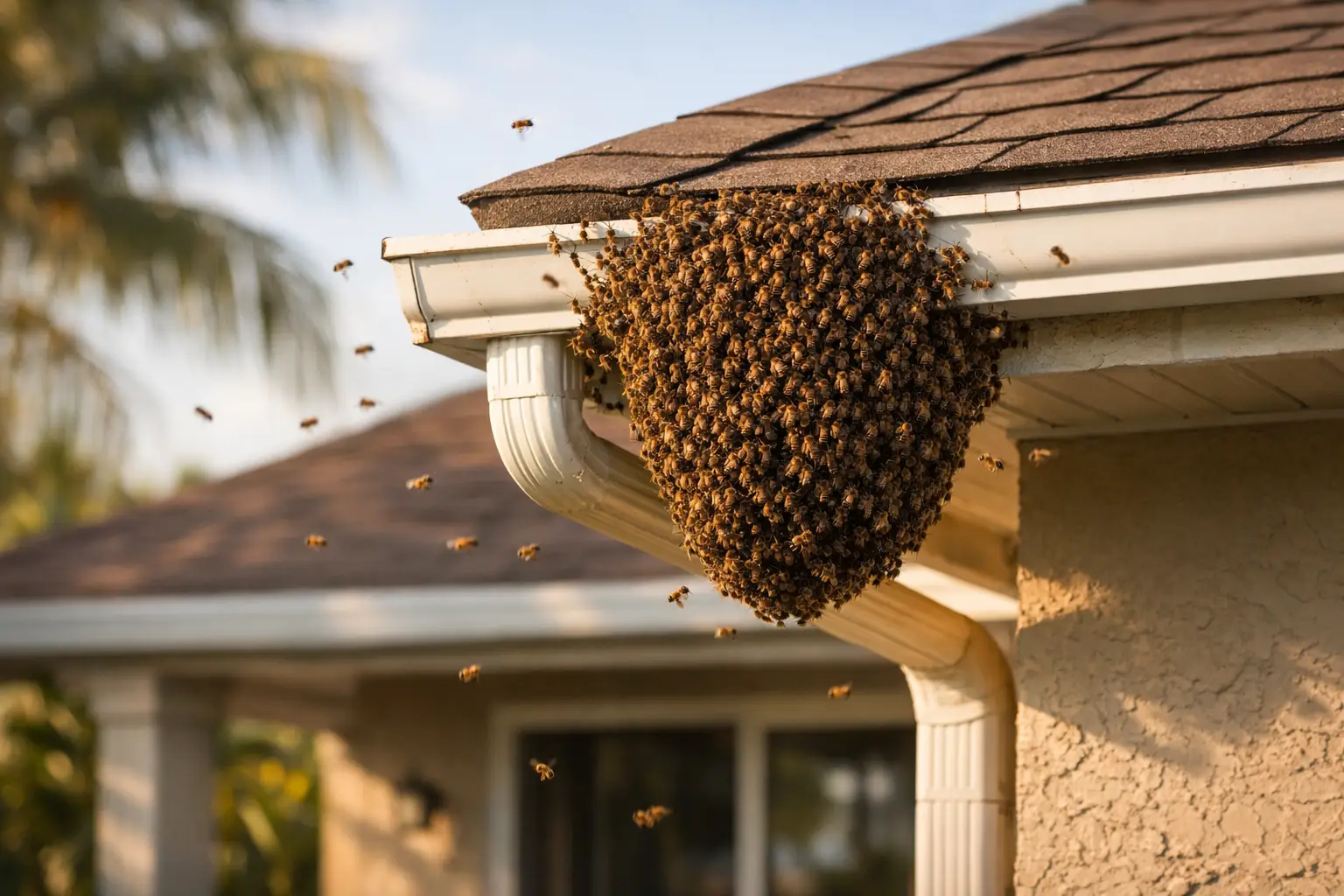

If you have ever stood in front of a honey display wondering whether the jar marked organic is somehow cleaner, safer, or more ethical, here is the sticky truth: why true organic honey does not exist is not a marketing stunt. It is a beekeeping reality. Bees do not recognize property lines, certification maps, or label claims. They fly where nectar and pollen are available, and no beekeeper can fully control that flight path.
That does not mean all honey is the same. It means the word organic creates a level of certainty that nature does not actually provide. For homeowners, property managers, and anyone trying to make responsible food choices, that distinction matters. Good honey can be raw, local, carefully handled, and produced by beekeepers who respect bees and the land. But “truly organic” is a much harder claim than most labels suggest.
The sticky truth: why true organic honey does not exist
To understand the problem, start with the bee, not the jar. A honey bee typically forages across several miles. In many landscapes, especially in populated or agricultural areas, that range can include backyard gardens, golf courses, roadside weeds, citrus groves, ornamental plants, drainage edges, commercial farms, and wild areas all in the same day.
That matters because organic certification depends on control. In most food systems, a farmer can document the seed, the soil inputs, the fertilizer, and the pest treatments used on a specific piece of land. With honey, the livestock is mobile. The beekeeper may own the hives, but not every flower the bees visit.
A hive can be maintained with great care. The boxes can be clean. The equipment can be managed responsibly. The beekeeper can avoid unnecessary treatments and keep bees in healthier environments. All of that is meaningful. But none of it changes the basic fact that free-flying bees collect nectar from a landscape that cannot be sealed off.
Why honey is different from other organic foods
Organic standards were built for systems with clearer boundaries. A tomato plant stays in the field where it is grown. A dairy cow grazes on managed pasture and eats feed from tracked sources. Bees are different because they are both livestock and wild foragers at the same time.
Even if an apiary sits beside natural vegetation, bees may still travel well beyond that area when conditions change. A dry spell, a bloom cycle, or competition from nearby colonies can shift where they forage. This is especially true in mixed-use regions, including much of Florida, where residential landscaping, agricultural production, and unmanaged vegetation often overlap.
So when a honey label suggests complete organic purity, the real question is simple: organic according to what radius, what bloom, and what neighboring land use? Unless someone controls an enormous and fully documented forage area, the claim quickly becomes shaky.
The forage radius problem
This is the issue most consumers never see. Honey bees may forage two to five miles from the hive, sometimes more. Draw a several-mile radius around almost any hive location and you are no longer talking about one farm. You are talking about a patchwork of private property, public land, treated landscapes, and unknown plant sources.
That is why the phrase “true organic honey” breaks down under scrutiny. The standard sounds simple, but the biology is not.
Nectar source is not fully traceable
Beekeepers can often identify a dominant bloom when conditions are right. Orange blossom honey, tupelo honey, and palmetto honey are familiar examples. But bees rarely collect from only one plant source unless the bloom is unusually concentrated and timed perfectly.
Most honey is blended by nature before it is ever extracted. That does not make it inferior. It just makes absolute claims harder to defend.
So why do some jars say organic?
Because labeling rules, import channels, and consumer expectations are not always aligned with how bees actually behave. Some honey may be certified under standards that focus on hive management, processing methods, or remote forage zones. In isolated regions with very low chemical exposure, that claim may be more reasonable than it would be in suburban or mixed agricultural areas.
But reasonable is not the same as absolute. A label can reflect a certification framework, while still failing the plain-English meaning most shoppers assume. Many people read organic as “the bees only visited untreated flowers.” That level of certainty is rarely possible.
There is also a difference between legal labeling and practical reality. Something may meet a paperwork standard yet still leave unanswered questions about where those bees actually flew. That does not automatically mean fraud. It means consumers should read honey labels with more caution than they often do.
What matters more than the word organic
If you want better honey, a better question is not “Is it organic?” but “How was it produced, handled, and sourced?” Those answers tell you far more.
Raw honey usually means it was not heavily heated or ultra-filtered. That matters if you care about preserving the natural character of the honey. Local or regional honey can also be meaningful, especially when you know the beekeeper or understand the forage environment. Small-batch production often gives you better transparency than a polished front label ever will.
Beekeeper practices matter too. Responsible hive management, careful extraction, clean equipment, and minimal interference are all signs of quality. So is honesty. A trustworthy beekeeper will usually explain what they can control, what they cannot, and why.
Look for transparency, not perfection
The best honey producers tend to speak plainly. They will tell you whether the honey is raw, filtered, strained, or heated. They may describe the seasonal bloom, the region, or the flavor profile. They are less likely to hide behind vague claims that sound impressive but say very little.
That kind of transparency is more useful than a label that promises purity beyond what open-air pollinators can realistically guarantee.
The beekeeping side of the conversation
This issue is not just about labels. It is also about public understanding of bees. Healthy bees need access to forage, water, and safe habitat. In the real world, that means navigating roadsides, neighborhoods, farms, and public spaces. It also means that rescued and relocated colonies often become part of working landscapes, not sealed laboratory environments.
For those of us who handle live bee removals and colony relocation, this is familiar territory. Bees are valuable livestock, but they are not factory animals. Once rehomed, they still interact with the larger environment. That is part of what makes beekeeping both beautiful and humbling. We can steward bees well. We cannot script every flower they touch.
That is one reason simplistic honey marketing can be frustrating. It turns a complex ecological relationship into a neat sticker on a jar. Consumers deserve better than that.
Does this mean organic honey is fake?
Not exactly. It means the phrase is often overstated. Some producers are likely doing sincere, careful work under certification systems designed to reduce exposure and improve management. Their honey may be excellent. Their operation may be cleaner and more traceable than average.
But if the claim is interpreted to mean complete control over every nectar source, then yes, that promise falls apart. There is an important difference between “produced under certain organic practices” and “truly organic in the absolute sense.” Most shoppers are not told where that line is.
That is the sticky truth: why true organic honey does not exist as a fully guaranteed, plain-language claim. Bees roam. Landscapes overlap. Nature does not sign compliance forms.
How to choose honey with more confidence
If you are standing in a store or buying from a local beekeeper, focus on questions that can actually be answered. Ask whether the honey is raw. Ask where it was harvested. Ask whether it is filtered or heated. Ask what flowers were in bloom. Ask how the bees are managed and whether the producer can explain their practices clearly.
If the answers are specific and consistent, that is a good sign. If the jar relies on buzzwords but offers no real information, be skeptical.
For many buyers, especially families trying to make thoughtful food decisions, the best choice is often honey from a beekeeper who is transparent about real-world conditions rather than one who promises impossible certainty. Honest honey may be less glamorous on the label, but it is far more trustworthy in the jar.
The good news is that honey does not need the word organic to be real, delicious, or responsibly produced. What it needs is careful stewardship, healthy bees, and producers willing to tell the truth about both the limits and the value of their work.

No responses yet