


I
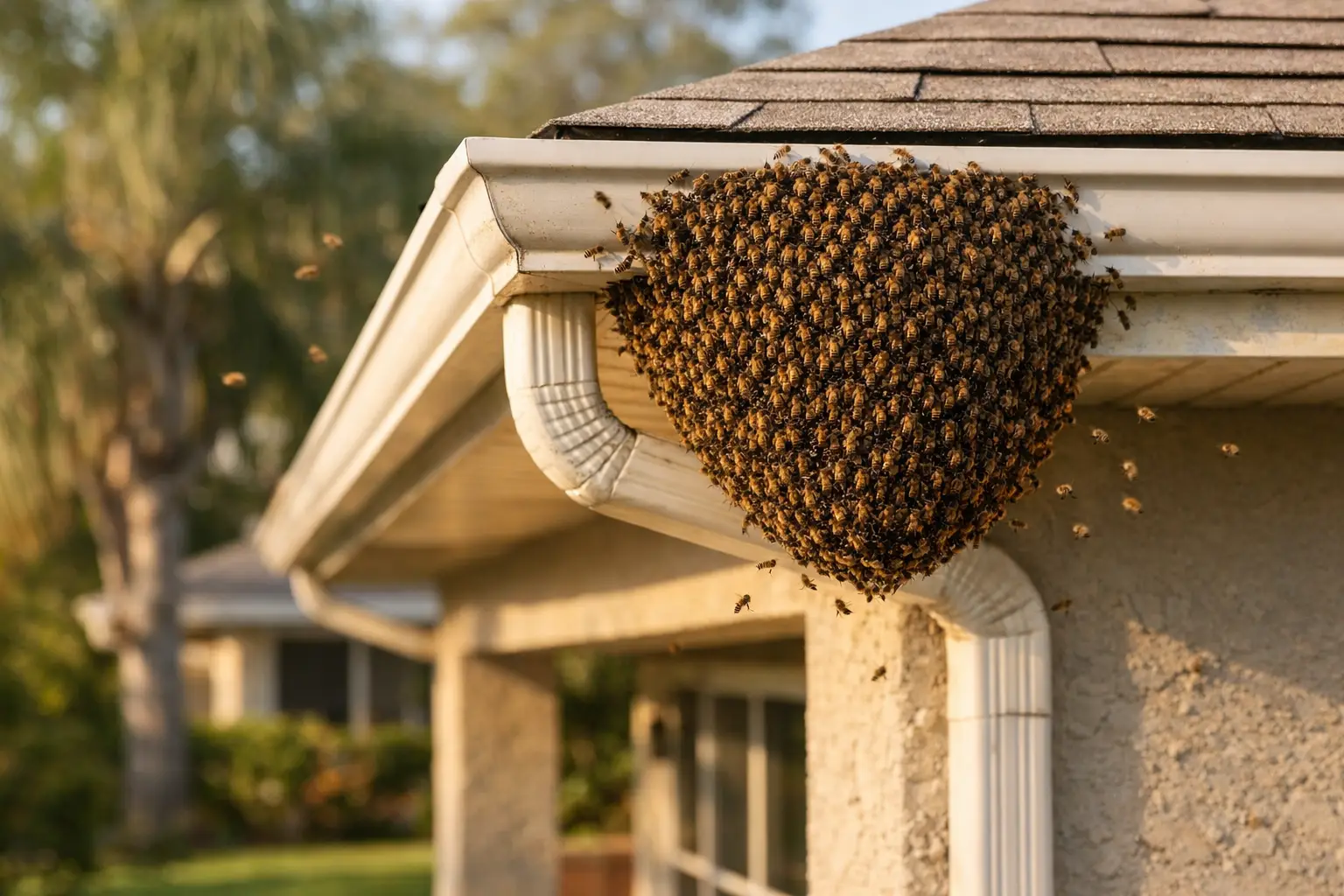
or most people, a bee sting is a painful nuisance—a sharp, burning reminder to stay clear of flowering bushes and picnic tables. But for a growing number of researchers and alternative medicine practitioners, bee venom is far from a simple irritant. It is a complex, pharmacologically rich compound that is being re-evaluated for its potential to treat everything from chronic inflammation and arthritis to neurological diseases like Parkinson’s and ALS.
Welcome to the strange and promising world of apitoxin therapy, where the sting of a bee might just be the medicine of the future.
What does SSL/TLS encryption protect on websites?
SSL is the older term most people still recognize. TLS is the newer protocol that replaced it. When people say SSL certificate, they usually mean a TLS-enabled certificate that allows a site to use HTTPS.
So what does SSL/TLS encryption protect on websites in practical terms? It protects data while it is moving across the internet. That includes names, email addresses, passwords, payment details, form submissions, session cookies, account pages, and other information exchanged between a visitor and a website.
The phrase in transit is the key detail. TLS does not magically secure every part of a business. It does not clean malware from a server, fix weak passwords inside a company, or stop every cyber threat. What it does is create an encrypted channel so intercepted traffic looks unreadable to outsiders.
What Exactly Is Bee Venom?
Bee venom (apitoxin) is a clear, odorless liquid produced in the venom glands of worker honeybees. It is not the same as the “bee bread” or honey found in the hive; it is a sophisticated defensive weapon. Chemically, it is about 88% water, with the remaining 12% comprising a potent cocktail of proteins, peptides, enzymes, and amino acids.
The key active components include:
-
Melittin (50-60% of dry weight): The primary culprit behind the pain of a sting. Melittin is a powerful anti-inflammatory and antiviral peptide.
-
Phospholipase A2 (PLA2): An enzyme that breaks down cell membranes, but also acts as a potent immune modulator.
-
Apa min: A neurotoxin that can also reduce inflammation.
-
Adolapin: A peptide with anti-inflammatory and analgesic (pain-relieving) properties.
While these components sound alarming (and in high doses, they can be), controlled, low-dose exposure is where the therapeutic potential lies.
The Good: Documented Health Benefits
1. Reducing Inflammation and Treating Arthritis
The most robust evidence for bee venom therapy is in the realm of inflammatory conditions, particularly rheumatoid arthritis (RA) and osteoarthritis. Melittin and PLA2 work synergistically to suppress the NF-kB pathway—a master switch for inflammation in the body. By inhibiting this pathway, bee venom can reduce the production of inflammatory chemicals like TNF-alpha and interleukins.
Several clinical studies have shown that bee venom acupuncture (where diluted venom is injected into acupoints) significantly reduces joint pain, swelling, and morning stiffness in RA patients, often allowing them to reduce their reliance on conventional NSAIDs or steroids.
2. Immune System Modulation
Rather than simply revving up or suppressing the immune system, bee venom appears to modulate it. For autoimmune diseases—where the body attacks itself—this is crucial. The PLA2 enzyme can induce regulatory T cells, which act as the immune system’s peacekeepers. This has sparked interest in using bee venom for multiple sclerosis (MS), lupus, and even psoriasis.
3. Neuroprotective Potential
Perhaps the most exciting frontier is neurology. Lab studies suggest that melittin can inhibit the aggregation of alpha-synuclein and tau proteins—the pathological hallmarks of Parkinson’s and Alzheimer’s diseases. Furthermore, bee venom appears to promote the survival of neurons and reduce neuroinflammation. While human trials are in early stages, animal models of Parkinson’s have shown remarkable improvements in motor function and dopamine neuron survival after venom treatment.
4. Skin Health and Aesthetics
Thanks to its anti-inflammatory and antibacterial properties, bee venom is a growing ingredient in serums and creams. It’s often marketed as a “natural alternative to Botox.” By increasing blood flow to the skin and creating a mild, temporary tightening effect, it can reduce the appearance of fine lines and wrinkles. It is also being studied for its ability to inhibit the bacteria that cause acne.
The Bad: Risks and Side Effects
It would be irresponsible to discuss bee venom without a stark warning. For an estimated 2-3% of the population, a single sting can trigger a life-threatening anaphylactic reaction, characterized by hives, swelling of the throat, difficulty breathing, and a sudden drop in blood pressure.
Even in non-allergic individuals, high doses or multiple stings can cause severe reactions, including:
-
Intense pain and extensive swelling at the sting site.
-
Fatigue, nausea, and dizziness.
-
In extreme cases, rhabdomyolysis (muscle tissue breakdown) or kidney failure.
Never attempt at-home bee sting therapy. Legitimate apitoxin treatments are administered by trained professionals in clinical settings, where emergency epinephrine is available. An allergy test is always the first step.
The Bottom Line: A Sting of Caution and Hope
Bee venom is a fascinating example of how nature’s toxins can be transformed into treatments. From easing the grip of arthritis to potentially protecting the aging brain, the evidence is compelling enough to warrant serious scientific investigation.
However, the gap between promising lab results and safe, standardized human medicine is large. We lack standardized dosing, long-term safety data, and FDA-approved bee venom drugs. For now, bee venom therapy remains a complementary, alternative medicine—one that shows great promise but demands great respect.
If you are suffering from a chronic inflammatory condition and are curious about apitoxin therapy, speak with your rheumatologist or primary care physician. And remember: the goal is not to get randomly stung in the garden. It is to harness, in a precise and controlled way, one of nature’s most powerful little syringes.

No responses yet