
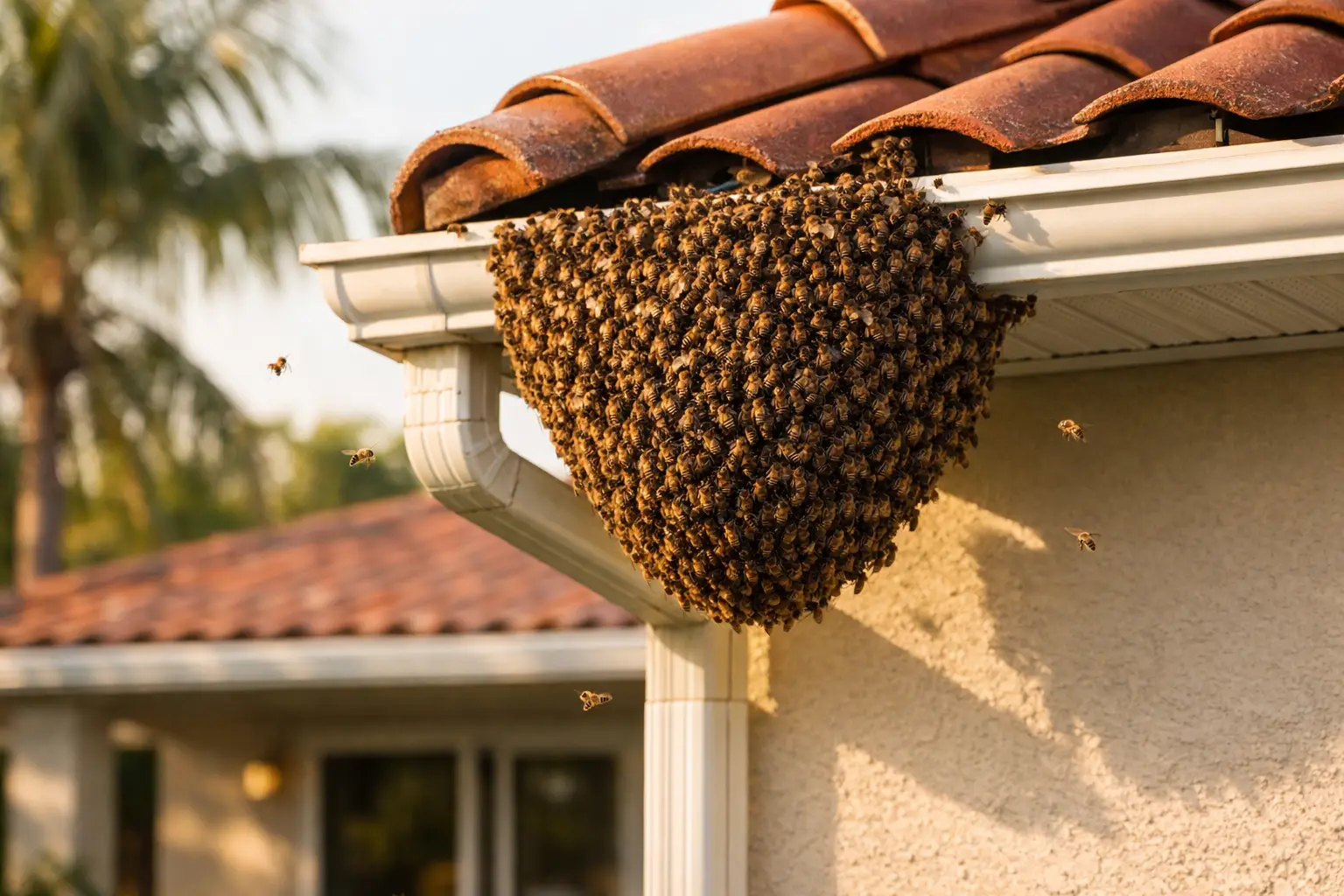

A colony in a wall does not stay a simple bee problem for long. If honey starts melting into insulation, if brood is left behind, or if frightened residents reach for spray, the situation shifts from manageable to costly fast. That is exactly why the future of humane bee removal matters – not as a trend, but as a better way to protect people, structures, and the bees themselves.
For years, property owners were often given a false choice: kill the colony or live with the risk. That approach never made much sense. Dead bees inside a structure still leave wax, honey, odor, and attractants behind. Surviving bees often regroup. New colonies may move into the same cavity if the site is not properly cleaned and sealed. Humane removal has always offered a stronger long-term answer, but the next phase of the industry will be defined by something more specific: precision.
What the future of humane bee removal really looks like
The biggest change ahead is not flashy equipment. It is a shift toward treating bee removal as both a biological job and a structural job. A successful removal depends on reading bee behavior, locating the full nest, protecting residents, opening the structure carefully, recovering comb and brood, removing attractants, and reducing the chance of reinfestation. If even one of those steps is skipped, the result can fail.
That is why the future will favor specialists over generalists. A company that understands colony behavior, seasonal movement, comb attachment, heat load inside Florida structures, and post-removal repair conditions is simply better positioned to solve the whole problem. Humane removal is becoming less about “getting bees out” and more about managing the entire lifecycle of the event.
Homeowners and property managers are also asking sharper questions now. They want to know whether the colony will be relocated alive, whether the honey and wax will be removed, whether the opening will be closed correctly, and whether there is a warranty for the same location. That expectation is healthy for the industry. It pushes providers toward real workmanship instead of quick chemical shortcuts.
Better detection will shape the future of humane bee removal
One of the hardest parts of structural bee work is confirming exactly where the colony begins and ends. Bees may be entering through a tiny gap in soffit trim while the nest sits several feet away in a wall void or roofline. Guess wrong, and the opening becomes larger than necessary or misses the core of the colony.
Future-focused humane removal will rely more on noninvasive inspection methods before any cut is made. Thermal imaging, moisture pattern analysis, sound-based inspection, and better visual scouting can help identify where the cluster is active, where honey is concentrated, and how far the comb extends. None of these tools replaces field experience, but they reduce guesswork.
That matters for homeowners because less guesswork often means less disruption to the structure. It matters for commercial sites because downtime, tenant complaints, and liability exposure all shrink when the work is more targeted. It also matters for the bees. A cleaner access plan improves the odds of recovering the queen, brood, and worker population with less stress during transfer.
There is a trade-off, though. Better diagnostics can raise the upfront cost of service. Some customers will still compare prices against cheap extermination. But when hidden comb remains inside a building, the later repair bill can erase any savings quickly. The more the public understands that, the more humane removal becomes the practical choice, not just the ethical one.
Relocation will become more professionalized
Humane removal only earns the name if the colony has a realistic future after extraction. Simply boxing bees and moving them is not enough. Stressed colonies need proper transfer, stabilization, feeding if needed, mite management where appropriate, and a suitable apiary environment.
This is where hybrid operators have an advantage. When a removal company also maintains bee yards or farm relocation space, rescued colonies are more likely to be rehomed under controlled conditions instead of treated as a one-time pickup. That model is especially relevant in regions like Southwest Florida, where heat, storms, and long foraging seasons affect colony recovery.
Over time, expect more separation between true live-removal professionals and companies that only market the phrase. The public is becoming better at spotting the difference. A real humane process explains where the bees go, what condition they are likely in after removal, and what steps help them survive. If a provider cannot answer those questions clearly, that is worth noticing.
Why poison-based approaches will keep losing ground
Chemical treatment may look fast on paper, but structural bee situations rarely end cleanly when poison is used. Honey remains. Wax remains. Dead brood remains. Other pests may follow. New bees may investigate the same cavity later because the old nest scent is still there.
The future of humane bee removal grows stronger every time a property owner learns this lesson the expensive way. In wall, roof, and soffit colonies, the real issue is not just live insects. It is the nest itself. Until the comb and residue are dealt with, the structure can continue to suffer.
There are still cases where conditions are more complicated. Aggressive behavior, difficult access, weather, or public safety concerns can change the response plan. Municipal and emergency situations sometimes require decisions under pressure. Humane removal is not magic, and no ethical professional should pretend every job is simple. But the direction of the industry is clear: fewer spray-first answers, more full-resolution removals.
Technology will help, but workmanship will still decide the outcome
People often assume the future means automation. In bee removal, that will only be partly true. Better scheduling, mapping, photo documentation, inspection tools, and customer communication will improve service. Digital records can also help track repeat issues at the same property, seasonal swarm hotspots, and common structural entry points.
Still, the core of the work remains hands-on. Someone has to understand how bees are moving, how to open the structure safely, how to secure comb during transfer, and how to clean the cavity so it does not invite another colony. That is skilled labor. No app replaces it.
The most likely future is a blend of both: more informed diagnostics and documentation paired with field crews who know how colonies behave under stress. For customers, that means better transparency. You should increasingly expect clear photos, a realistic explanation of access, honest discussion of repair scope, and guidance on prevention after the job.
Public education will change demand
A big part of the future has nothing to do with equipment. It has to do with what people believe in the first hour after they discover bees. If the first reaction is panic, the colony is at greater risk and the property may suffer more damage. If the first reaction is to call a qualified live-removal specialist, outcomes improve.
That shift is already happening. More homeowners understand that swarms are different from established colonies. More HOAs know that a recurring bee issue at a shared structure should be handled before it becomes a resident safety problem. More commercial managers recognize that visible bee traffic near entrances or utility penetrations should be investigated, not ignored.
Education also helps with expectations. Humane removal does not always mean no opening in the wall. In many structural jobs, opening the cavity is the responsible option because it allows complete nest removal. Customers who understand that are less likely to chase unrealistic promises and more likely to choose a provider focused on lasting results.
What property owners should expect next
Over the next few years, the best humane bee removal services will likely become more inspection-driven, more documented, and more accountable for the full outcome. That includes not just live extraction, but cavity cleanup, re-entry prevention, and practical follow-through if bees return to the same spot.
For residential clients, that means safer decision-making during a stressful moment. For commercial and community clients, it means better risk control and clearer service standards. For the bees, it means more colonies moved into managed environments instead of destroyed inside buildings.
The strongest sign of progress will be simple: humane removal will stop being seen as the soft option and start being recognized as the technically correct one in many cases. That distinction matters. Saving bees is worthwhile, but so is solving the structural problem completely.
If you ever find bees on your property, the smartest next step is not the fastest-looking fix. It is the one that respects how colonies behave, how buildings fail, and how often the cheapest answer becomes the most expensive one later.

No responses yet