
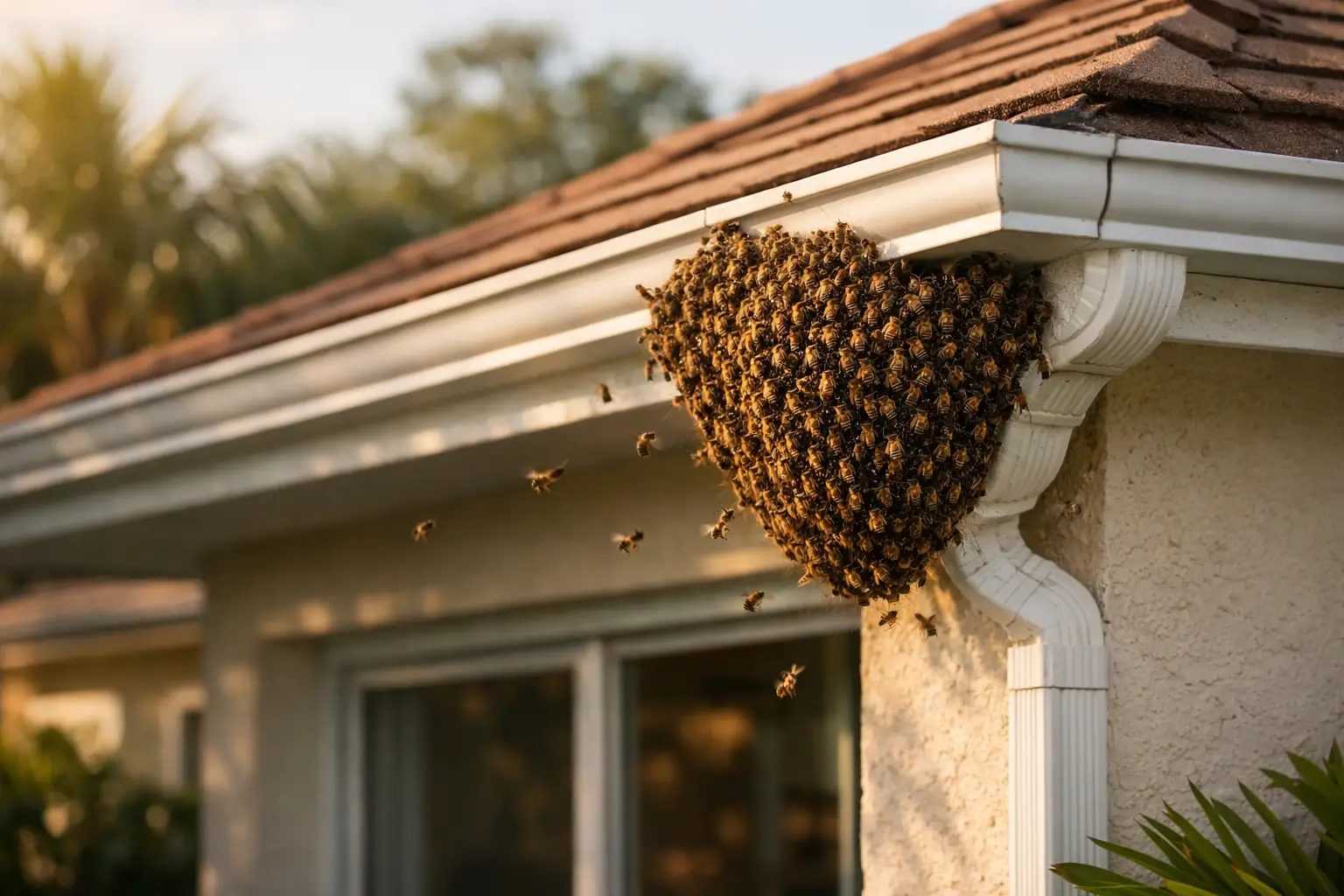

When bees show up in the same wall, soffit, or roofline a few weeks after removal, most people assume the first job failed. That is not always true. If you are asking whether beeswild.com offer a 90 day same-place bee removal warranty, the better question is what a same-place warranty actually protects you from, and what conditions have to be addressed so bees do not return.
A same-place bee removal warranty is not a vague promise. It is a practical safeguard tied to one specific issue – bee activity returning to the exact original location after a live removal. For homeowners, that matters because repeat activity often means there is still something attractive about that cavity, entrance, or structure. For property managers and HOAs, it matters because liability does not disappear just because the first colony was removed.
What beeswild.com offer a 90 day same-place bee removal warranty means
The phrase beeswild.com offer a 90 day same-place bee removal warranty points to a three-month coverage period for the original removal site. In plain terms, if bees reestablish themselves in that same spot during the warranty window, the return visit is tied to the original service agreement rather than treated as a brand-new infestation.
That kind of warranty is narrower than a blanket property guarantee, and that is a good thing. Bee behavior is location-specific. A colony in a chimney is one issue. A new swarm on a palm tree twenty feet away is a different one. A same-place warranty keeps the promise clear, measurable, and honest.
It also signals that the company understands structural removals, not just swarm collection. Removing visible bees is only part of the work. The harder part is addressing comb, brood, honey residue, scent trails, and access points that can attract scout bees later.
Why the words same-place matter more than most people realize
Many customers hear the word warranty and assume full protection against any future bee problem on the property. That is rarely how responsible bee removal works. Bees are wild livestock. In Southwest Florida, swarms can move through neighborhoods quickly, especially during active seasons. A new colony can appear on the same property without it being connected to the first removal at all.
That is why same-place is the key term. It separates a recurrence from a new event. If bees return to the exact wall void that was opened and cleaned, that points to the original site. If they cluster in a separate tree, shed, fence post, or another side of the building, that is a different service need.
This distinction protects both sides. The customer gets a defined remedy if the original site becomes active again. The removal company avoids making unrealistic promises about every bee that may enter the property over the next three months.
What a 90-day bee removal warranty usually covers
A proper same-place warranty generally covers renewed bee occupation at the original removal site within the stated period. If a colony begins rebuilding in the same cavity, technicians can inspect the site, confirm that it is the same location, and take corrective action.
That corrective action may involve removing new comb, addressing missed access gaps, or revisiting cleanup areas that still hold attractants. In structural jobs, even a small unsealed opening can invite future scout bees. Bees do not need much space to get back in.
For a homeowner, the value here is peace of mind after a stressful removal. For a commercial property manager, it supports documentation and follow-through. For an HOA, it reduces the risk of treating the first service as finished when the site itself still needs correction.
What it usually does not cover
A 90-day same-place warranty is not a guarantee against all bee activity everywhere on the property. If a fresh swarm lands on a branch, mailbox post, irrigation box, or another part of the structure, that is normally considered separate from the original job.
It also may not apply when the original conditions were changed by someone else after removal. If a wall was left open, if repairs were delayed, or if another contractor reopened a sealed area, the risk profile changes. The warranty is strongest when the removal site is properly restored and protected.
Another common misunderstanding involves aggressive bee reports nearby. If neighbors disturb a colony and displaced bees gather elsewhere, that event may have nothing to do with the original removal. Bee warranties work best when they are tied to evidence, not guesswork.
Why 90 days is a sensible timeframe
A three-month same-place warranty is long enough to catch the most likely recurrence period after removal. If a site still contains odor, wax residue, or an unsealed route of entry, scout bees often find it within weeks, not years. Ninety days gives enough time to confirm whether the original location was truly resolved.
It is also a reasonable window from a biological and structural standpoint. In warm climates like Southwest Florida, bee activity can stay high for much of the year. A short warranty might not be meaningful. A very long one can become unrealistic because new swarms and changing property conditions make cause-and-effect harder to verify.
So the 90-day period sits in a practical middle ground. It is long enough to matter and specific enough to enforce fairly.
Why live removal and cleanup matter to the warranty
Poison often creates the illusion of a quick fix. The visible bees disappear, and the property owner thinks the problem is solved. But dead bees inside a cavity do not remove comb, honey, larvae, or scent. Those materials can melt, ferment, stain, and attract pests. They can also attract future bees.
That is where humane live removal has a major advantage. A proper structural bee removal aims to remove the colony itself and the materials that made the space viable as a nest. When colonies are relocated instead of poisoned in place, the building has a better chance of staying bee-free at that exact site.
A same-place warranty makes the most sense when it is attached to this fuller approach. It is not just about taking bees away. It is about reducing the reason they would come back.
Questions to ask before relying on any same-place warranty
If you are hiring for bee removal, ask how the company defines same-place. Does it mean the exact opening, the same wall cavity, or the same general side of the structure? That wording matters.
Ask whether comb and honey are removed, whether entry points are identified, and what site conditions could void coverage. Also ask what happens if bees reappear during the 90 days. A clear answer should explain the inspection process and how they determine whether it is a recurrence or a new swarm.
This is especially important for commercial clients. Shopping centers, restaurants, and community buildings need clarity because public-facing areas create legal and safety pressure. A vague warranty sounds comforting, but a precise one is far more useful.
The bigger reason this warranty matters
A same-place bee removal warranty is not just a customer-service feature. It reflects whether the company understands bees, buildings, and long-term outcomes. Anyone can remove visible insects. The harder job is solving the nesting site without defaulting to chemicals that leave the real problem behind.
That is why the question, does beeswild.com offer a 90 day same-place bee removal warranty, points to something bigger than policy language. It points to accountability. It says the removal is tied to the physical site, the colony biology, and the structural conditions that caused the problem in the first place.
For families worried about children or pets, that accountability matters. For HOAs and property managers balancing safety with environmental responsibility, it matters even more. And for anyone who wants bees rescued rather than destroyed, a same-place warranty supports the idea that humane removal can also be practical.
If bees have moved into a structure, the goal is not just to get through today without stings. It is to make sure the same opening does not become tomorrow’s colony all over again.

No responses yet