

Spring in Southwest Florida can feel like a trade you never agreed to – bright mornings, open windows, and then the sneezing starts. That is usually when people ask about local honey for allergies and whether a spoonful a day can calm the reaction. It is a reasonable question, but the honest answer is more nuanced than the folklore.
Honey has a long history as a soothing food, and local honey carries an extra layer of appeal because it feels connected to the plants, seasons, and pollens around you. But feeling natural and being medically reliable are not the same thing. If you are dealing with seasonal allergy symptoms, it helps to understand what local honey might do, what it probably cannot do, and where the real trade-offs are.
Why people believe in local honey for allergies
The idea behind local honey for allergies is simple. Bees collect nectar and come into contact with pollen from nearby flowering plants, so eating honey made in your area might expose you to tiny amounts of that local pollen over time. The theory is that this low-level exposure could help your body become less reactive, somewhat like how allergy immunotherapy works.
That explanation sounds tidy, but nature is messier. Many seasonal allergies are triggered by wind-borne pollens from grasses, weeds, and trees. Bees are not major collectors of the lightweight airborne pollen that commonly causes hay fever. They mostly work flowering plants that rely on insect pollination. So even if your honey is truly local, the pollen inside it may not match the pollen making you miserable.
That does not mean the idea is foolish. It means the mechanism people often cite does not line up neatly with how environmental allergies usually work. Some people still swear by it, but personal experience is not the same thing as evidence you can count on for everyone.
What science says about local honey for allergies
Research on honey and allergy relief is mixed and limited. A few small studies suggest some people report symptom improvement when using honey regularly, but results are not consistent enough to treat honey as a proven allergy therapy. There are also methodological problems. It is hard to standardize local honey because the pollen content, floral source, processing method, and season all vary.
Another issue is expectation. If someone believes a remedy will help, they may notice relief more quickly or interpret normal symptom changes as proof. Seasonal allergies also rise and fall with weather, rainfall, wind, mold levels, and time spent outdoors. That makes it difficult to know whether the honey helped or the pollen count simply changed.
From a practical standpoint, mainstream allergy treatment still relies on better-supported options such as allergen avoidance, saline rinses, antihistamines, steroid nasal sprays, and in some cases formal allergy testing or immunotherapy. Honey is not in the same evidence category.
What honey may help with anyway
Even if local honey does not reliably retrain the immune system, it may still have value for some people. Honey can coat the throat and may make irritation from coughing, drainage, or dryness feel less raw. If your allergies leave you with a scratchy throat, that soothing effect is real enough to matter.
Honey also fits easily into a daily routine. A spoonful in tea or over yogurt is simple, and for many people that matters. A remedy does not always need to be dramatic to be worthwhile. The key is using it for what it can realistically do instead of asking it to solve a problem it may not be built to solve.
There is also the quality factor. Raw, minimally processed honey usually contains more natural compounds and pollen than highly filtered commercial honey. If someone wants to try local honey, choosing a trustworthy producer makes more sense than grabbing a generic bottle with no clear origin.
Where the claim breaks down
The biggest weakness in the local honey theory is pollen mismatch. Most classic seasonal allergy symptoms come from pollens that float in the air and travel widely. Bees are not targeting those pollens in the same way they target nectar-producing blooms. So the honey in your jar may reflect your local ecosystem without reflecting your specific allergy triggers.
There is also the dosage question. Allergy shots and sublingual immunotherapy are carefully measured and medically supervised. Honey is not. The amount and type of pollen can change from batch to batch, even from hive to hive. That unpredictability makes it hard to expect a dependable immune response.
And then there is timing. If someone starts eating honey only after symptoms flare, they are already behind the season. The theory depends on repeated exposure over time, not a last-minute fix. That is one reason people who try it casually often come away with very different conclusions.
Should you try it?
For most healthy adults, trying local honey for allergies is low risk if expectations stay realistic. If you enjoy honey, want to support local beekeepers, and understand that results may be modest or nonexistent, it is a reasonable experiment. Think of it more as a food with possible side benefits than as a substitute for allergy treatment.
It makes less sense if your symptoms are severe, persistent, or affecting sleep, work, or breathing. In those cases, relying on honey alone can delay more effective care. If you have asthma, a history of serious allergic reactions, or oral allergy symptoms that worsen with certain foods, it is smarter to ask a qualified medical professional before experimenting.
Honey is also not appropriate for infants under 1 year old because of the risk of botulism. That rule does not change just because the honey is local, raw, or from a farm you trust.
How to choose local honey if you want to test it
If you are going to try it, source matters. Look for honey that is actually produced in your region and labeled clearly by floral or geographic origin when possible. Raw or lightly filtered honey is often preferred by people testing the allergy theory because it is more likely to retain pollen and natural compounds.
Ask straightforward questions. Where were the hives located? Was the honey heavily filtered? Is it a seasonal blend or a single-source honey? These details will not turn honey into medicine, but they do tell you whether the product matches the local premise.
This is one place where a real apiary has an advantage over mystery honey on a big retail shelf. A farm that works directly with bees, landscapes, and bloom cycles can usually tell you far more about what is in the jar and when it was harvested.
Local matters, but not for the reason most people think
There is another reason local honey deserves respect, even if the allergy claim stays uncertain. Local beekeeping supports pollination, habitat awareness, and stronger stewardship of bee populations. That matters in a region where development, weather swings, and pesticide exposure can put pressure on pollinators.
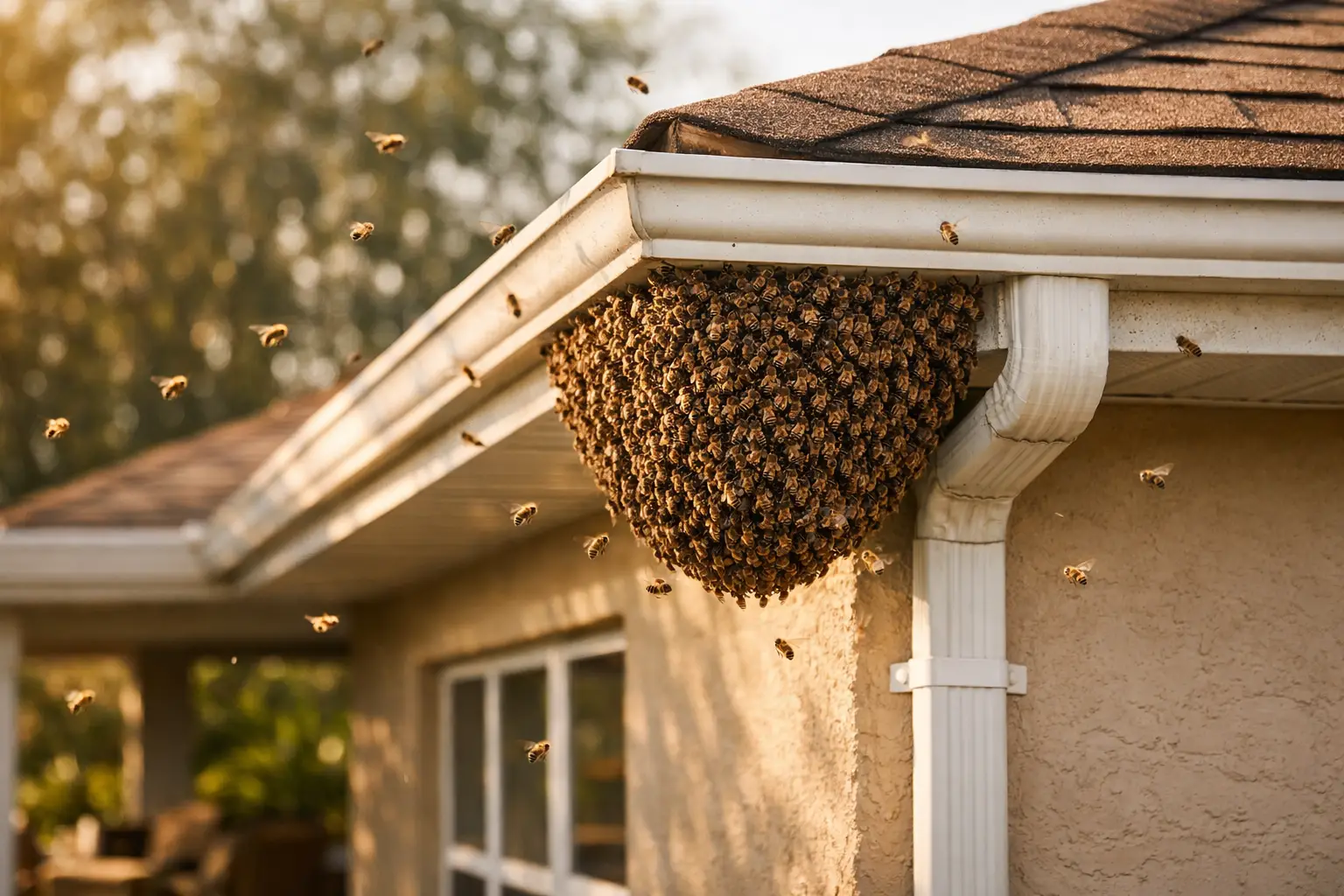
At Beeswild, that connection is especially clear because bee rescue and relocation are part of the work. Saving a colony from a wall or soffit instead of destroying it keeps pollinators in the local environment and helps build a more resilient beekeeping system. For readers who care about ecology as much as symptom relief, that is not a side note. It is part of the value.
Still, ecological value and medical effectiveness are separate questions. Supporting local honey is worthwhile. Expecting it to function like a calibrated allergy therapy is where people can get misled.
A more realistic way to think about allergy relief
If you want the most practical approach, combine common sense with evidence. Track when symptoms appear. Notice whether grass mowing, oak pollen, mold after rain, or time outdoors seems to trigger the worst days. Use proven symptom relief when needed, and if you want to add local honey, treat it as a complementary habit rather than the foundation of your plan.
That balanced approach tends to work better than either extreme. You do not need to dismiss honey as useless, and you do not need to treat it like a miracle. Bodies are different, pollen seasons are different, and some remedies feel helpful for reasons that have more to do with comfort than immunology.
If a spoonful of local honey becomes part of your routine and you genuinely feel better, that is useful information about your own experience. Just keep one hand on reality. The jar can be part of the answer without pretending to be the whole answer.
When allergy season hits, the best relief usually comes from knowing what each tool can actually do – and giving bees credit for their real work, not the myths we sometimes place on them.

No responses yet