

A spoonful of honey from Southwest Florida can taste noticeably different from a supermarket bottle: brighter, more floral, sometimes lightly citrusy or earthy depending on the season and the plants in bloom. Raw Florida honey benefits go beyond that distinctive flavor, but they are best understood with clear expectations. It is a flavorful, minimally processed food with a place in a practical kitchen, not a cure-all in a jar.
What Makes Florida Honey Different?
Honey begins with nectar, and nectar reflects the landscape around a hive. In Florida, bees may forage on palmetto, Brazilian pepper, gallberry, orange blossom, wildflower, mangrove, and many other flowering plants. A honey crop can change from one season, neighborhood, or apiary to the next. That variation is part of what makes local honey worth seeking out.
Florida’s warm climate also supports long foraging periods. Bees can collect nectar across much of the year when weather and bloom cycles cooperate. Still, no honest beekeeper can promise that every jar will have the same color, flavor, or source. Rainfall, storms, drought, nearby plantings, colony health, and the timing of harvest all matter.
Raw honey generally means honey that has been extracted from the comb, strained to remove obvious wax and hive debris, and not heavily heated or ultra-filtered. There is no single federal legal definition that makes every product labeled “raw” identical. The most useful question is simple: How was the honey handled between hive and jar? A producer who can explain its harvest and bottling practices offers more meaningful information than a label alone.
Raw Florida Honey Benefits That Matter Most
A naturally flavorful sweetener
The clearest benefit is culinary. Raw honey adds sweetness along with aroma and character, so many people find they can use less than they would with plain sugar. Try it in tea, yogurt, oatmeal, dressings, marinades, or on biscuits. Its flavor is strongest when it is used as a finishing ingredient rather than cooked for a long time.
Honey is still an added sugar, and that matters. One tablespoon contains roughly 60 calories and about 17 grams of sugar. Choosing local raw honey does not make unlimited amounts a health food. For most people, it works best as an intentional swap for other sweeteners, not an excuse to add sweetness to everything.
Naturally occurring honey compounds
Honey contains small amounts of plant-derived compounds, organic acids, enzymes, and antioxidants. These components vary widely by floral source, storage conditions, and processing. Darker honeys often test higher in certain antioxidant compounds than lighter varieties, but color alone does not tell the whole story.
Raw handling may preserve more of honey’s naturally occurring characteristics than high-heat processing. That is a reasonable reason to choose raw honey if flavor and minimal processing matter to you. It does not mean every raw honey has a standardized nutrient profile or delivers the same effect in every person.
Comfort for an occasional cough
For adults and children older than 12 months, honey may help soothe an occasional cough or scratchy throat. Its thick texture can coat the throat, and its sweetness may encourage saliva production. A spoonful or a little honey stirred into warm water can be comforting, especially before bed.
This is supportive care, not a substitute for medical attention. Seek guidance for trouble breathing, dehydration, a high or persistent fever, chest pain, or a cough that is severe or does not improve. Never give honey, raw or otherwise, to an infant under 12 months old because of the risk of infant botulism.
A connection to local food and healthy pollination
Buying honey from a responsible local beekeeper can support work that has value beyond the jar. Managed honey bees pollinate crops and gardens, while well-run apiaries require careful attention to colony health, forage, pests, weather, and responsible hive placement.
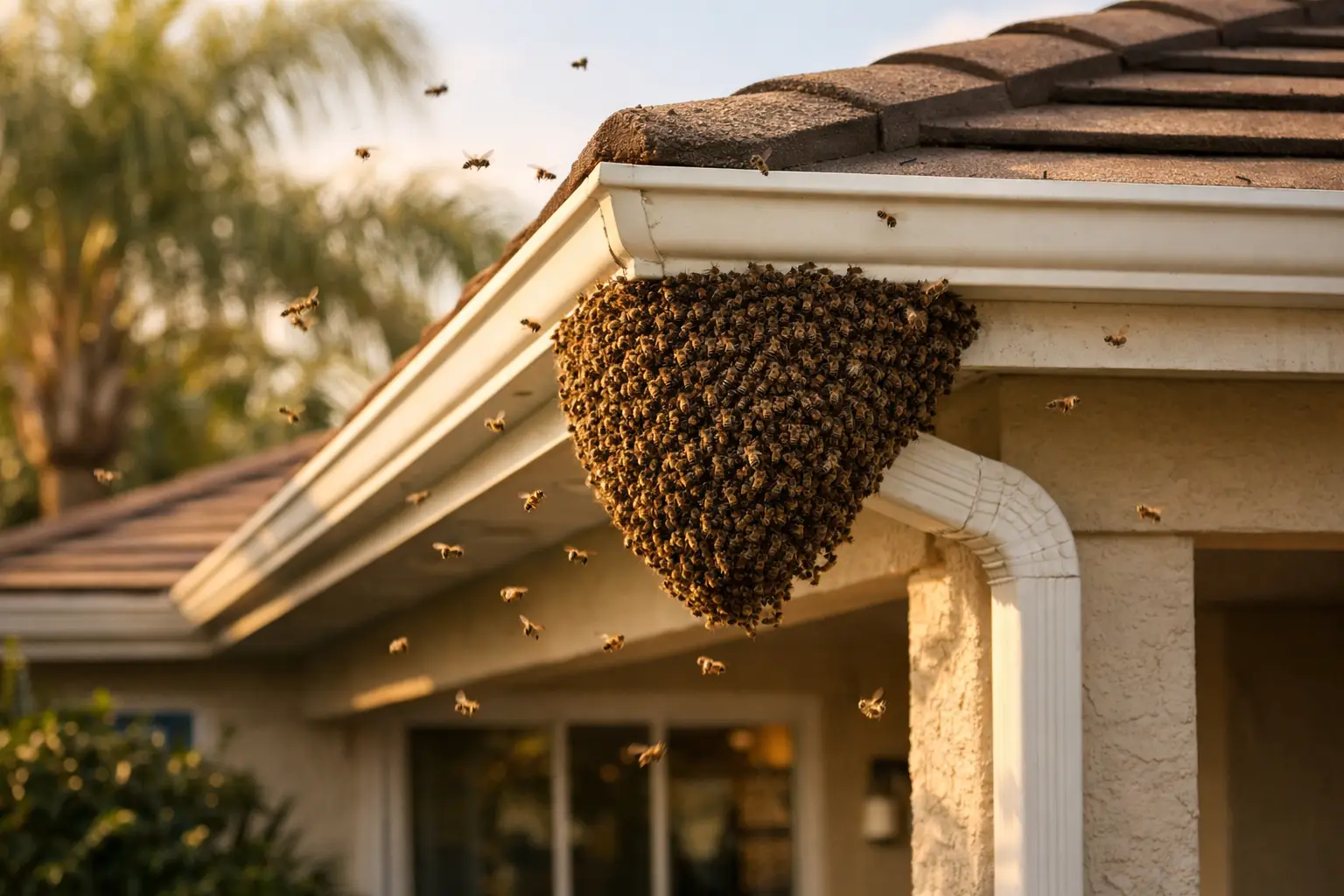
That connection is particularly meaningful when the beekeeper also rescues and relocates colonies rather than treating bees as disposable pests. A colony inside a wall or soffit must be removed correctly to protect people and to prevent honey, wax, and brood from attracting pests after the bees are gone. Humane relocation and responsible beekeeping can keep productive colonies in safer settings while protecting homes and businesses.
Can Local Raw Honey Help Seasonal Allergies?
This is one of the most common claims about local honey, and it deserves a careful answer. Many people enjoy local honey during allergy season, but strong clinical evidence does not show that eating local honey reliably prevents or treats seasonal allergies.
The pollen that triggers seasonal allergies is often wind-borne pollen from grasses, weeds, and trees. Bees primarily gather heavier flower pollen and nectar, which is not necessarily the same material causing a person’s symptoms. Honey also contains variable, usually small amounts of pollen, so there is no dependable dose or predictable exposure pattern.
If you enjoy local honey, use it because you like the flavor and want to support local beekeeping. Continue to use proven allergy strategies recommended by your health care professional. Anyone with a known bee-product allergy should be especially cautious and discuss honey use with a clinician.
How to Choose Raw Florida Honey With Confidence
Start with transparency. A local producer should be able to describe the general area where the bees forage, whether the honey is seasonal or a specific floral variety, and how it is strained and bottled. Honey labeled with a vague origin can still be safe and enjoyable, but it will not offer the same connection to a known local harvest.
Look at the jar, but do not judge only by appearance. Honey can range from nearly clear gold to deep amber. It may be runny, thick, or naturally crystallized. Crystallization is not spoilage or proof that a jar is fake. It happens when glucose forms crystals, especially in cooler conditions or in honeys with certain natural sugar ratios.
Avoid choosing honey solely because it promises dramatic health results. Claims that honey detoxes the body, cures infection, or replaces prescribed treatment are not responsible. The better signs are straightforward ones: honest sourcing, careful handling, a flavor you enjoy, and a beekeeper who prioritizes healthy colonies.
Storage and Everyday Use
Store honey tightly sealed at room temperature, away from direct sun and moisture. A pantry cabinet is usually better than the refrigerator, which can speed crystallization. Honey keeps well because its low moisture and natural acidity make it difficult for many microorganisms to grow, but clean handling still matters. Use a dry spoon and keep food crumbs and water out of the jar.
If your honey crystallizes and you prefer it smooth, place the closed jar in warm water and let it loosen gradually. Avoid boiling it or microwaving it in a plastic container. Gentle warming helps protect its flavor, while intense heat can dull the qualities that made you choose raw honey in the first place.
For cooking, remember that honey browns faster than white sugar. Lower the oven temperature slightly when adapting baked goods, and reduce another liquid ingredient when replacing sugar with honey. In savory foods, a small amount can balance acidity in a vinaigrette or add a caramelized edge to grilled vegetables.
A Better Way to Think About Local Honey
Raw honey is not valuable because it needs exaggerated promises. It is valuable because it is a real agricultural food shaped by bees, flowers, weather, and skilled care. Every jar represents work that starts long before extraction: maintaining colonies, protecting forage, and making thoughtful choices when bees need to be moved from places where people live and work.
Choose raw Florida honey for its taste, its minimal processing, and the chance to support careful local beekeeping. Then use it generously enough to enjoy, modestly enough to respect what it is, and with appreciation for the bees that made it possible.

No responses yet